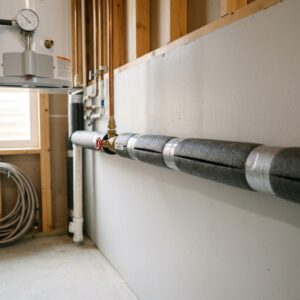

As the vibrant colors of fall begin to fade and the chill of winter approaches, homeowners face an annual task critical for protecting their properties: outdoor faucet winterization. Neglecting this simple yet vital plumbing maintenance can lead to disastrous consequences, specifically frozen and burst pipes, which can cause significant water damage and expensive repairs. This comprehensive guide from All Service Plumbing will walk you through everything you need to know to prepare your outdoor spigots, ensuring your home remains safe and sound throughout the colder months.
Why Outdoor Faucet Winterization is Crucial for Your Home
The consequences of failing to properly winterize your outdoor faucets can be severe and costly. When water freezes, it expands. If this expansion happens within a pipe, it creates immense pressure that can easily cause the pipe to rupture, often out of sight within your walls or foundation. This isn’t just a minor leak, but a potential flood that can:
- Damage flooring, walls, and ceilings.
- Lead to mold growth, creating health hazards and further structural issues.
- Destroy personal belongings.
- Result in exorbitant repair bills, often running into thousands of dollars.
Taking the time for proper burst pipe prevention fall maintenance is an investment in your home’s integrity and your financial peace of mind.
Understanding the Risk: How Frozen Pipes Happen
Many homeowners believe that as long as the outdoor spigot is closed, they are safe. However, standard outdoor faucets, also known as hose bibs or sillcocks, are often exposed to freezing temperatures along their length, which extends into the interior of your home’s wall. When temperatures drop below freezing, any water remaining in the pipe between the shut-off valve and the faucet head can freeze solid.
The expansion of this ice creates pressure not just at the point of freezing, but throughout the entire segment of pipe. This pressure, trapped between the ice blockage and the closed faucet, has nowhere to go. Eventually, the pipe material weakens and ruptures, leading to a catastrophic leak when temperatures rise and the ice melts. Understanding this mechanism is the first step in effective prevent frozen pipes strategies.
Your Step-by-Step Guide to Outdoor Faucet Winterization
Properly preparing your outdoor faucets for winter is a straightforward process. Follow these steps meticulously to safeguard your plumbing system:
1. Gather Your Tools
Before you begin, gather a few basic items:
- A wrench (adjustable is best)
- Insulating faucet covers (foam, styrofoam, or insulated fabric)
- Old towels or rags (optional, for extra insulation)
2. Disconnect Hoses and Accessories
This is perhaps the simplest, yet most overlooked step. Any garden hoses, splitters, timers, or other attachments left connected to your outdoor faucet can trap water. This trapped water will freeze, expand, and transfer pressure back into your faucet and pipes, even if the indoor shut-off valve is closed.
- Action: Disconnect all hoses and store them away for the winter. Make sure to drain any water from the hoses before storing them to prevent damage to the hoses themselves.
3. Locate and Close the Indoor Shut-Off Valve
Most outdoor faucets have an individual shut-off valve located inside your home, usually in the basement, crawl space, or utility room, directly opposite where the outdoor faucet protrudes. This valve cuts off the water supply to that specific outdoor line.
- Action: Turn the handle clockwise to completely close the shut-off valve. If you cannot find an individual valve, you may need to shut off your home’s main water supply, though this is less ideal.
4. Drain the Outdoor Spigot Thoroughly
This is the critical step to prevent frozen pipes. Once the indoor shut-off valve is closed, you must drain any remaining water from the outdoor pipe.
- Action: Go back outside and open the outdoor faucet completely. You should hear any residual water drain out. Let it run for a few moments until the flow stops. This ensures that the pipe segment is empty and there’s no water left to freeze. This is precisely how to drain outdoor spigot effectively.
5. Insulate for Extra Protection
Even after draining, adding an extra layer of protection can make a big difference, especially in regions with extreme cold.
- Action: Place an insulated faucet cover over your outdoor spigot. These inexpensive covers attach easily and provide an additional barrier against freezing temperatures. For extra peace of mind, you can also wrap old towels or rags around the faucet before securing the cover.
Beyond the Basics: Advanced Prevention Tips
For homeowners seeking maximum protection, consider these additional measures:
#### Consider Frost-Free Sillcocks
If you frequently deal with frozen pipes, upgrading to frost-free sillcocks might be a worthwhile investment. These specialized faucets are designed with a longer stem that extends the shut-off valve deep into your heated home, preventing water from sitting in the portion of the pipe exposed to cold outdoor temperatures.
#### Monitor Weather Forecasts
Stay informed about upcoming severe cold snaps. Even if you’ve completed your outdoor faucet winterization, an unexpected deep freeze might warrant a quick check or additional insulation. Being proactive can save you from an emergency.
When to Call the Professionals at All Service Plumbing
While outdoor faucet winterization is a DIY-friendly task, there are times when professional assistance is invaluable. All Service Plumbing is here to help with all your winterization and plumbing needs.
#### Signs of a Potential Problem
If you notice any of the following issues, it’s wise to contact a professional plumber:
- Difficulty locating your shut-off valve: Some plumbing systems are complex, and finding the correct valve can be challenging.
- Faucets that won’t fully shut off or drain: This could indicate a faulty valve or sediment buildup.
- Visible leaks or drips: Even a small leak can turn into a big problem when temperatures drop.
- Unusual noises from your pipes: Gurgling, banging, or whistling sounds can signal underlying issues.
#### Expert Assistance for Complex Systems
If your home has a complex irrigation system, multiple outdoor spigots, or you simply prefer the peace of mind that comes with professional service, All Service Plumbing offers expert winterization services. Our experienced technicians can ensure every outdoor water source is properly prepared for the cold, preventing costly damage and ensuring your system is ready for spring.
Don’t wait for winter’s chill to reveal an oversight. Proactive burst pipe prevention fall is the smartest way to protect your home.
Preparing your outdoor faucets for fall is an essential step in safeguarding your home against the harsh realities of winter. By following these simple steps, you can prevent frozen pipes, avoid costly repairs, and enjoy peace of mind throughout the colder months. For expert advice or professional assistance with your plumbing winterization, don’t hesitate to reach out to the trusted team at All Service Plumbing. We’re here to help you keep your home warm, dry, and damage-free all season long.